Archive for the ‘Miscellaneous’ Category

I edited a couple of trade magazines in the 1990s. When you edit any kind of specialty magazine, you find that boredom seeps in like water in an old rowboat. There are only so many ways you can present the same subject, to keep it readable, informative, and interesting to read.

It’s a struggle, but you won’t hear any complaints from me. There are enormous rewards that come with the editor’s blue pencil: wealth, celebrity, power, eager-to-please interns, the respect of your fellow editors, the adoration of your writers, and a bitchin’ sound system in your office.


Notice to our readers
There are several errors in our current post. “wealth” should read “health insurance.” “celebrity” probably refers to Run-DMSteve’s appearance on the front page of the Idaho Statesman in 2003. The reference to “power” is puzzling, but it might have something to do with shaking Al Gore’s hand in 1999 without being pummeled by the Secret Service.

In addition, Run-DMSteve has never been granted access to an intern, editors are too busy drinking to speak to each other, writers adore you only when you’re approving their invoices, and Run-DMSteve had to buy the sound system with his own money. We regret these errors.


My first magazine was published by Sierra On-Line, which made computer games. Sierra was chaotic and dangerous, a knife fight without any rules, but I never had trouble making those pages interesting.

My second magazine was published by Visio, which made drawing and diagramming software. The company was well-run but their products put me to sleep. I figured our readers must’ve had the same challenge. This is why I searched for unusual Visioids to profile. For example, there was a gentleman who used Visio to position the cameras for the Oscars broadcast, and a writer who visualized her complicated love life thanks to our software. I hope the latter story gave engineers around the world something different to think about.

Sadly, I never got to run our story about the Midwest cemetery administrator who used Visio software to keep track of his “residents.” That would’ve been my Halloween issue.

Not all who play chess are lost
In September 2002, the editors of Chess Life published an interview with Ray Charles and splashed his photo on the cover. Jackpot! Bingo! Touchdown! This issue must’ve been extremely popular because I can never find one on eBay. Everyone’s hiding their copy in their sock drawer. Here’s the only image I can find.

Ray Charles learned to play chess in 1965 while he was in a hospital kicking his heroin addiction. He basically traded addictions. Unlike most blind players, who play by calling out the moves in chess notation (if you’ve ever played Battleship, you’re halfway to learning chess notation), Charles played by feeling the pieces. I suppose this is similar to how he played the piano. He used a special board with raised dark squares and lowered light squares. The black pieces had sharper edges than the white pieces. Each piece had a peg in the bottom and each square had a hole.

“I’m nowhere near what you call a master. I’m just a person who plays chess,” he said in the story. “I don’t care if I lose. I try not to, but I just love to play.”

Charles was interviewed by Grandmaster Larry Evans, a former U.S. chess champion and a long-time columnist for Chess Life. Naturally, they played a game while they talked. Evans didn’t play full-out (he admitted as much later), which I’ve learned is always a mistake when playing children. They learn more when they play the real you, plus your sub-par moves sometimes return to bite you in the ass. Sure enough, Charles, who was a better player than he let on, came close to a draw.

At one point in the game, Evans warned Charles that if Charles moved a certain piece, Evans would be free to make a devastating counter-move. Charles said, “You’ve got your rights, brother.”

Charles also knew how to cut to the game’s essence. “You don’t just move pieces,” he said. “You have to have a reason. So you say to yourself, if I do this and he does that, then what will I do?” I’ve been trying to teach this simple concept for YEARS! But instead of slowing down and thinking, my chess kids invariably plunge ahead as if they were about to miss the ice cream truck.

Chess and music live on the same street
Ray Charles was not the only musician who loved chess. Here’s a partial list: Sonny Bono, David Bowie, Ludacris, Jay Z, LL Cool J, Kurt Cobain, John and Yoko, Wu-Tang Clan (the entire group), Phish (ditto), and some one-worders: Madonna, Cher, Moby, Nelly, Bono, and Sting. In fact the best thing I’ve ever read about Sting is that he has an estate somewhere with a giant chessboard built into the landscaping.

I haven’t even gotten to all the jazz and classical musicians who play or played chess. But the only country western musician that I know of who qualifies was…Ray Charles (Modern Sounds in Country and Western Music, vols. 1-2, 1961).

All of this is the leadup to a sad truth: There’s little to say about Charles’ career in the 1970s, my current topic. I don’t believe he was capable of recording a bad album, but like all gods he was capable of recording unnecessary albums, and the ’70s were a long line of them.

Note: There are many necessary Ray Charles records. Here are just two: Ray Charles At Newport (1958) and The Genius of Ray Charles (1959).

I said when I began this series about black music of the ’70s that everyone on my list owed a debt to James Brown. I’m thinking now that we all owe an even bigger debt to Ray Charles.

“I beat Willie Nelson yesterday,” Charles said in Chess Life. “He tells me that I turned the lights out on him.”

Hit the board, Jack.


We’ve just returned from the bar mitzvah of our nephew, Jared, in Raleigh, North Carolina. This wasn’t just a rite of passage, this was an EVENT. The two rabbis who normally run the Shabbat (Sabbath) services must’ve understood the significance of the day because they called in a reliever to lock up the ninth inning: A rabbi from Winston-Salem.

Jared was a model of calm. He was letter-perfect in his chanting from the Torah and inspiring in his commentary on his Torah portion. As you can tell, I’m just a little bit proud of this guy. But at certain moments I was beyond nervous. This is because of the most radical change in Judaism since the day women were allowed into the same building as God: I am now the religious head of my family.

I didn’t ascend to this post through merit. My Dad, Run-DMIrving, has hit the age where travel is an insurmountable ordeal. All of his duties fell to me. I spent the weekend overseeing burnt offerings, blessing bread, wine, and whatever babies or babes were thrust at me, and tossing relatives into a nearby volcano.

I was also the first person called to the Torah on Saturday morning. This is the serious stuff. Normally, the first person to report to the front of the congregation for Torah duty is a descendant of the priestly class, the Big Dogs who ran the Temple in Jerusalem before the Romans destroyed it in 70 AD. (I remember how disappointed I was, around the age of 8, to discover that my family was unwashed rabble, not secret royalty.)

On occasions such as bar and bat mitzvahs, the leadoff hitter is usually a family member, usually the oldest. The absence of my Mom and Dad meant that this was my turn at bat.

I knew the Hebrew bruchas (the blessings). I knew how to sing the tunes. Should’ve been a piece of cake, or maybe a plate of kugel. But it wasn’t. Though I remember very little from my own bar mitzvah, it seems that my body remembers. I felt light-headed in the on-deck circle. When I finally stood before the waiting congregation and the glory of the Torah, I executed all prayers as expected, but I wondered the whole time whether I might faint and if I did would I topple onto Special D, who was standing beside me, unaware that her husband was undergoing an internal core breach. She said I sounded fine.

You could call my experience the intersection of muscle memory and gut check. Let me tell you something about your innards: Old times there are not forgotten!

All hail Jared for his unfailing good humor, ebullience, and total confidence in dealing with adults. I can hardly believe we’re related.

Highlight reel!

  • The moment when all of the adults on the stage at the front of the shul stepped away and left Jared alone to chant from the Torah and lead the service.
  • The visiting rabbi, after delivering a lively sermon on the 50th anniversary of the Bloody Sunday march in Selma, thanked the congregation for their hospitality and then turned to Jared and said, “I enjoyed learning Torah from you.”
  • Once we got Jared aloft during the evening’s chair dancing, he took advantage of his new 10’ reach to surgically destroy a chandelier.
  • The dj Saturday night called all the enthusiastic but awkward 12- and 13-year-olds together to learn a group dance. Two 16-year-old girls – our niece, Isabelle, and her friend, Natalie – got up and joined them. The girls not only knew the steps, they improved on them. They looked like two swans in a pond full of angry ducks.

I dance just as good as I walk
Two of the songs we heard at the dance that night were “We Are Family” (Sister Sledge) and “Neutron Dance” (The Pointer Sisters), which fit into my new theme of black music of the 1970s.

“We Are Family” is one of those rare songs that are about the people singing them. The only other examples I can think of from the ’70s are “We’re an American Band” (Grand Funk Railroad) and “Ridgetop” (Jesse Colin Young). “We’re an American Band” celebrates learning absolutely nothing in kindergarten; “Ridgetop” celebrates you staying off Jesse Colin Young’s lawn. “We Are Family” celebrates family (the four sisters in Sister Sledge).

Even a snob like me would not dare to critique “We Are Family,” as it’s the third of the top three songs that are guaranteed to gravimetrically draw women onto the dance floor. (The first is ABBA’s “Dancing Queen” and the second is Bananarama’s “Venus.” There are no songs that do this to men. We men don’t surge forward when we hear the opening notes of “The Battle Hymn of the Republic” or anything by Metallica.)

I must also remain silent and place my game-worn bar mitzvah yarmulke over my heart in memory of Willie Stargell and the 1979 Pittsburgh Pirates, who adopted “We Are Family” as their theme song. In fact we’re all going to remove our hats for 30 seconds of silence starting right now.

*
*
*

As you were.

The Pointer Sisters (they also had four sisters, but eventually downsized by 25%) were one of the few family acts of the ’70s who could stand against the Jackson 5 flood and not drown. “Neutron Dance” is actually from their break out album, cleverly called Break Out (1983). That breaks outside my ’70s topic. But the Pointers produced enough good music in that decade to make them a formidable unit, including “Yes We Can Can” and their cover of Bruce Springsteen’s “Fire.”

That’s as religious as we get around here, except when I’m listening to Miles Davis. See you on Sunday when I hand down the law about black music of the early ’70s.


To end the old year and start the new one, Éowyn and I re-watched The Lord of the Rings. (We did plenty of non-Middle-earth activities, too, so Shut. Up.) In watching all three movies I developed a theory about Sauron. This theory goes as follows and begins now.

Here’s the situation: Sauron must conquer his powerful neighbor, Gondor, if he’s ever going to achieve his world-domination goals. To ensure his success, he orders his stooge, Saruman, to march against Rohan, Gondor’s most likely ally. Saruman has a whole new army to play with. The Riders of Rohan haven’t been doing much riding lately, though they still have perfect hair. The upcoming battle looks like a mismatch, but in the ninth inning Rohan calls in some timely relief help and Saruman’s army falls apart like the Red Sox over the Labor Day weekend.

At this point, Sauron knows all of the following:

  1. Gandalf is back.
  2. Aragorn has doubled his supply of girlfriends.
  3. The Elves said they were leaving, but they didn’t say when.
  4. Saruman is useless. He’s like the ex-husband who keeps reminding you why he’s your ex-husband.
  5. By now, Sauron’s ravens should have reported that the eagles and the butterflies have turned against him, which means that Audubon is against him, too.
  6. Sauron’s shock troops, the Nazgûl, have failed at every task they’ve been given. They were totally fooled by four pillows masquerading as Hobbits, a trick I pulled on my parents when I was 7.
  7. The Nazgûl can’t even kill a pillow on the first try.
  8. Sauron’s advanced surveillance technology cannot locate one Hobbit and one Ring, even though both are heading straight at him.

I think most of us, in Sauron’s place, would reconsider this situation and turn to Plan B. Sauron sticks with Plan A. This is how you get to be the CEO of Mordor. He moves forward with his hostile takeover of Gondor, and nevermind the threat from Rohan, Gandalf, Aragorn, Audubon, etc.

(Naturally, Sauron assigns his go-to guys to the Gondor project. Good call. The Nazgûl team leader tries to impress the blonde shield maiden with the news that he’s invincible. She immediately slices him into fettuccine. The Nazgûl were geniuses with women. His co-workers control the skies and yet somehow miss the approach of the fluorescent-green Army of the Dead until it storms ashore and slaughters everybody. If the Nazgûl worked for Chase Bank, they’d all get bonuses. Oh wait, the Nazgûl do work for Chase Bank.)

Finally: When Frodo and Samwise stagger to the top of Mount Doom, what do they find? The cave that leads to the lava swimming pool is not guarded by a locked door or armed guards or a Nazgûl who’s been placed on administrative leave. Even an idiot blogger could waltz right in and kerplunk toss the Ring into the fire.

And so my theory, which I invite you to vote on. Sauron is either:

  • Blinded by hubris, or
  • Blindingly stupid.

I’ll eventually reread the books to gain a more nuanced view of Sauron’s foreign-policy blunders. Until then, remember that Hobbits eat a lot, but they’ll still roll you for a nickel and stick you for the extra dime.

Random Pick of the Day
Led Zeppelin, Led Zeppelin IV (1971)
Led Zep IV is today’s Pick because Robert, Jimmy, John, and John may have been the first rock stars who had read Lord of the Rings. Ringwraiths and Mordor pepper their songs, though I don’t know if that helped them get girls.

Led Zeppelin doesn’t get any heavier than Led Zep IV. Led Zeps I and II are wilder and stupider, but IV has “Stairway to Heaven” so IV wins. I’ve been listening to “Stairway” since I was in high school (that’s right, halflings, I was born into a world that knew not of this song), and yet every time I hear the guitar accelerate, my pulse does, too. When the drums enter at 4:18 I start playing along, even when I’m driving, unless there’s a shield maiden riding beside me.

Random Pan of the Day
Led Zeppelin, just about everything
It’s fashionable for today’s rock critics to praise Led Zeppelin as innovators and condemn the critics of the 1970s, who hated Led Zep, as double dumb asses.

Bullshit. The critics of the ’70s got it right: This band did not make music for adults. You don’t need them once you’re old enough to vote, though they may be an evolutionary stage in adolescence (they were in mine).

Random Thought for My Fellow Nerds
Éowyn declaring “I am no man!” before skewering the misogynist Witch-king of Angmar is the high point of the movies and the books.

So say we all.

In 1980, I decided to set off on an adventure. I left my ancestral home.

1 Boston

I traveled across this great land by train.

3 Engineer

I landed on the other side of the country.

2 Seattle

I was carrying a suitcase, my father’s army duffel bag, and my typewriter.

5 Typewriter

And when I walked through this gate, my life began.

6 Gate

Seattle, I quickly discovered, was a city of astounding beauty.

7 Golden Gardens

I settled in. I was a strange visitor from another planet with powers and abilities far beyond that of mortal men.

8 Duran

I had a career as a writer.

9 Writer

I also had a career that made the regular money.

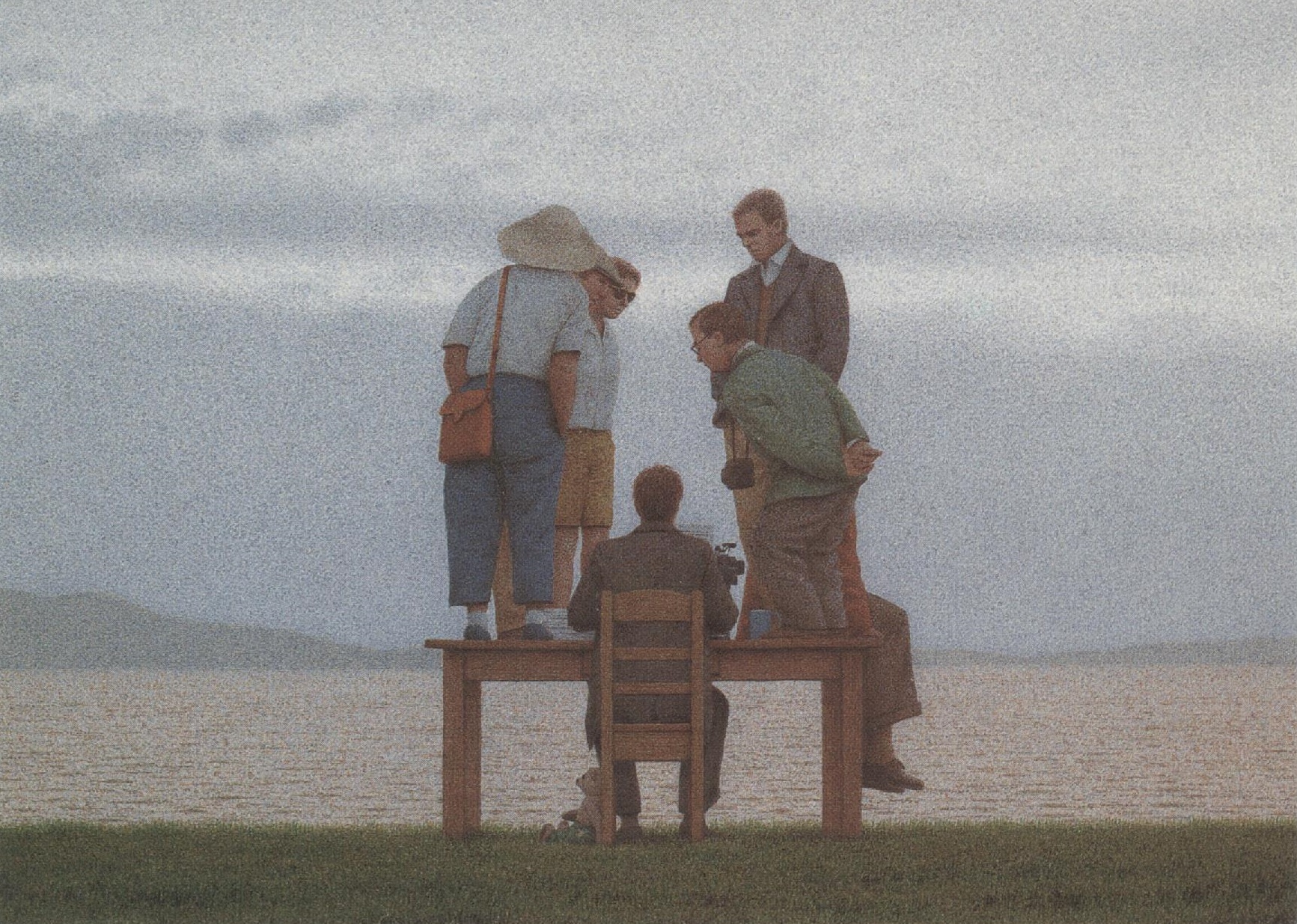
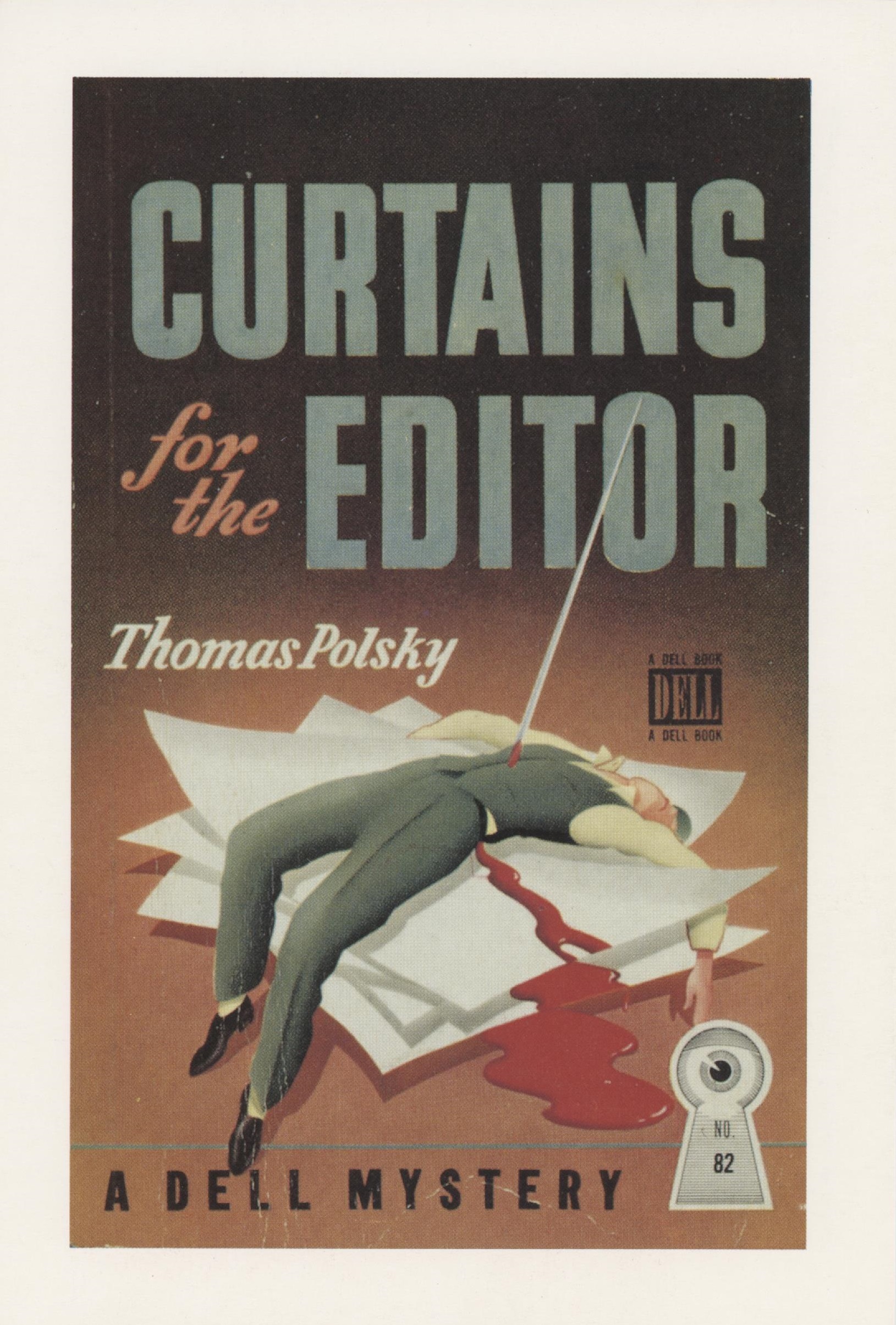
10 Editor

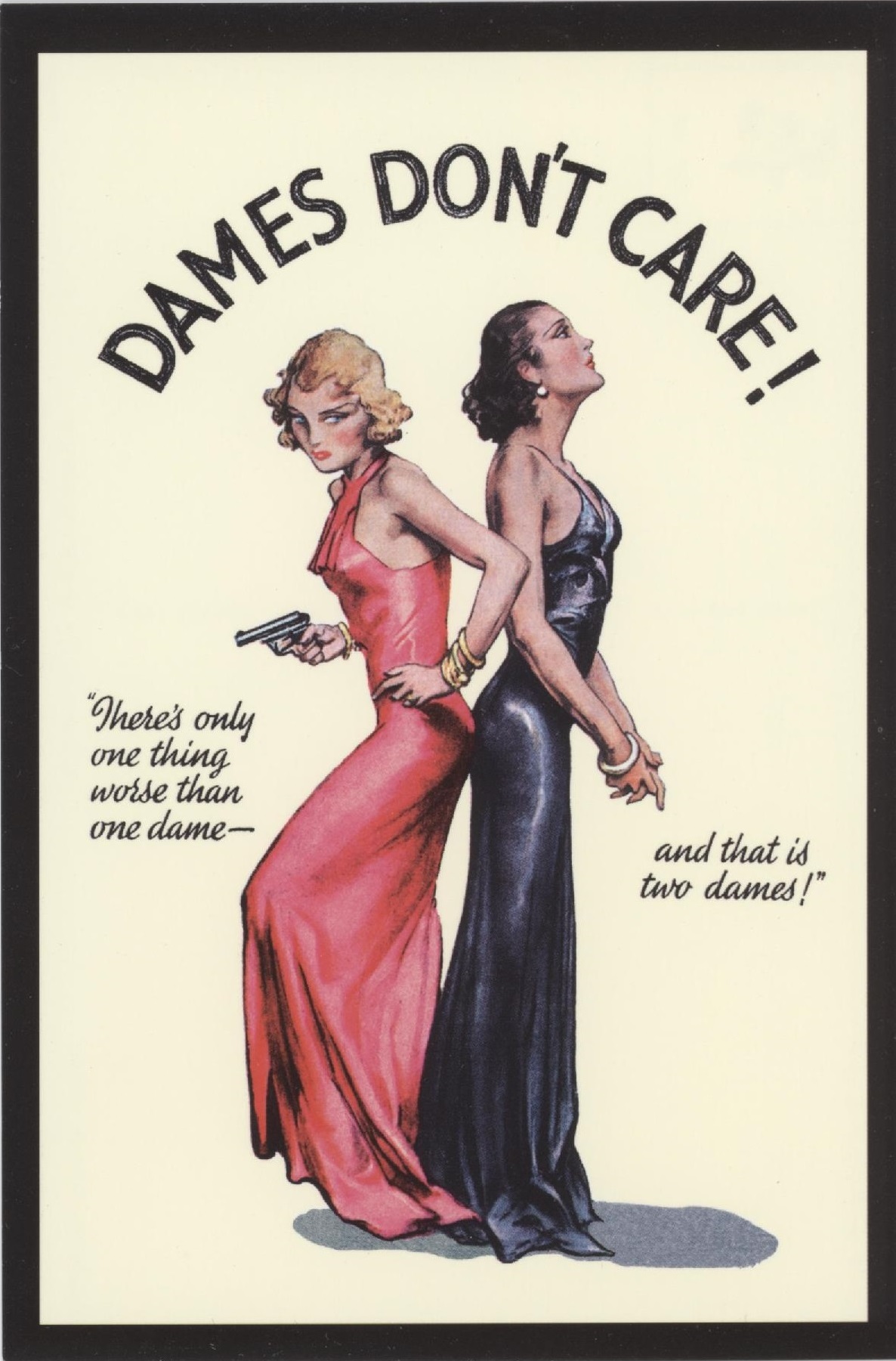
I met the woman who became my wife (on the left).

11 Dames

I made an army of friends who were ready for whatever came our way.

12 Friends

I became a home owner.

13 House

We bought dogs from a nice English lady (they were overrunning her castle).

14 Dogs

I dwelled in this magical, mostly wet land for 21 happy years. Now I live somewhere else…

15 Oregon

…but I still owe everything to Seattle. I arrived on Thursday, January 10, 1980. Thirty-five years ago today.

All postcards are from the Run-DMSteve collection, with eternal thanks to Rudi Rubberoid for getting me started. Don’t get me started. This post is dedicated to the revolving neon signs that once owned the night in downtown Seattle. The three I remember are Beat the Clock (a 24-hour diner), the Seattle Post-Intelligencer globe (“It’s in the P-I!”), and Elephant Car Wash. They spin still in some alternate reality, under the bluest skies you’ve ever seen. Now go forth, have adventures, and get on a train!


It’s almost 2015. I have one resolution: I will DOMINATE this year. Before I stride forth and conquer, happy new year to all of you. Yes, even you. I am indebted to you who read this blog or regret that you read this blog. For those about to rock, I salute you.

Here at the Bureau we are working 24/7 (and on weekends) to bring you even more musical snobbery. This is just a sample of what you can expect to find at this address in Year 5:

  • The complete index to Year 4
  • What I did on my Christmas vacation
  • 2014: The year in books
  • The return of ’70s Week. Pain train’s comin’, baby!
  • Also ’80s Week, as soon as I find my T-shirt with the alligator on*
  • Welcome back to ’90s Week (I didn’t understand the ’90s during the ’90s, but maybe I can still catch up)
  • Valuable cooking tips – collect ’em, trade ’em, spread ’em around!
  • Another round of Ask Run-DMSteve (please submit your questions so I can humiliate you)
  • More mystery packages from my Dad

And: I will finish my novel!

* “Gonna sell me Bob Marley records/gonna get me some Jackson Browne.”

Enjoy yourselves on New Year’s Eve. I leave you with a message from a wet sidewalk in my neighborhood:

Alive

Random Pick of the Day
Chuck Berry, St. Louis to Liverpool (1964)
I thought Chuck Berry was “Johnny B. Goode” and “Roll Over Beethoven” and a slew of other songs with the same guitar riff. I also thought he descended into an endless greatest-hits tour after the British invaded. As if!

In 1964, St. Louis to Liverpool was swamped by 15 albums from The Beatles, The Dave Clark Five, The Rolling Stones, and The Animals. Listening to it 50 years later for the first time, what I hear is a strong response from the USofA. St. Louis to Liverpool has only one of the well-known Berry classics (“No Particular Place to Go”). What it does have is some unexpected blues (“Things I Used to Do”), a great rendition of “Merry Christmas Baby,” and lots of fun rock ’n’ roll. Hail hail Chuck Berry.

Random Pan of the Day
Nicki Minaj, Beam Me Up Scotty (2014)
The first track is a love song to her Range Rover. You can stop listening right there. Ms. Minaj’s talents are confined to her figure; she looks like she escaped from an anime lab. The only thing I like about this speed bump in the path of musical progress is that on her last album she worked with a rapper named Lunchmoney Lewis.